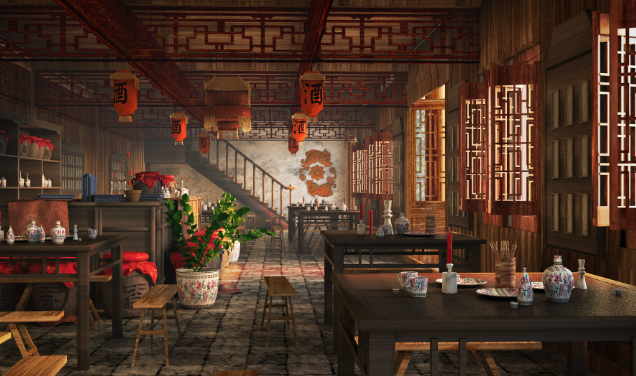
Chinese Restaurant Dining for Authentic Food Lovers
Chinese restaurant dining offers a fascinating journey through flavors, textures, ingredients, and cooking traditions that differ widely from one region to another. For authentic food lovers, the experience goes far beyond ordering familiar dishes. Chinese cuisine includes eight major regional traditions, namely Sichuan, Cantonese, Shandong, Jiangsu, Fujian, Zhejiang, Hunan, and Anhui, with each developing its own techniques and flavor characteristics. A well-curated Chinese restaurant www.newhongkongchineserestaurant.com can bring several of these culinary influences to the table, giving diners an opportunity to explore dishes that reflect centuries of cooking knowledge.
Exploring Regional Chinese Flavors
One of the most exciting parts of Chinese restaurant dining comes from discovering how dramatically flavors can change between regions. Sichuan cuisine often combines chili peppers and Sichuan peppercorns to create a bold, spicy, and tingling sensation. Cantonese cuisine generally places stronger emphasis on fresh ingredients and clean savory flavors. Hunan cooking brings prominent chili flavors and aromatic seasoning, while Jiangsu cuisine often focuses on careful preparation, braising, and stewing. These differences make Chinese cuisine feel less like one category and more like a collection of culinary worlds sharing a common heritage.
Traditional Ingredients Behind Authentic Flavor
Authentic Chinese cooking relies on a broad pantry of ingredients that can completely change the personality of a dish. Ginger, garlic, scallions, soy sauce, rice vinegar, sesame oil, chili, fermented bean products, and aromatic spices frequently appear across different regional traditions. The important detail lies in how chefs combine them. A Cantonese dish may use seasonings sparingly to preserve the character of fresh seafood, while a Sichuan preparation can build several layers of heat, aroma, and savory depth. This careful relationship between ingredients helps explain why similar proteins can produce very different dining experiences.
Dim Sum for Curious Diners
Dim sum provides an excellent introduction to authentic Chinese restaurant dining because it allows food lovers to explore several dishes in one meal. Steamed shrimp dumplings, pork buns, rice rolls, spring rolls, and other small specialties can create a table filled with contrasting textures. The shared format also encourages diners to try something unfamiliar without ordering a full portion. Cantonese dim sum has become one of the best-known Chinese dining traditions internationally, but its appeal comes from the variety and craftsmanship found across individual dishes.
Handmade Dumplings and Noodles
Dumplings and noodles deserve special attention from diners who appreciate texture. Northern Chinese food traditions place particular importance on wheat-based foods, including noodles, dumplings, and steamed buns. Dumplings can arrive steamed, boiled, or pan-fried, with fillings that range from pork and shrimp to mushrooms and vegetables. Noodles bring another level of variety through hand-pulled, knife-cut, stir-fried, and soup-based preparations. Fresh noodles often provide a springy texture that gives the entire dish more character.
Wok Cooking and Stir-Fried Specialties
The wok plays a central role in many Chinese kitchens. High-heat stir-frying allows chefs to cook ingredients quickly while developing aroma and preserving the texture of vegetables. Garlic, ginger, scallions, sauces, and other seasonings can enter the wok at carefully chosen moments. This technique requires precise timing because vegetables, meat, seafood, and noodles do not necessarily need the same cooking time. The result can combine crisp vegetables, tender protein, fragrant aromatics, and a concentrated sauce in a single dish. Traditional Chinese cooking also includes many other techniques, including steaming, braising, roasting, simmering, and deep-frying.
Seafood With Delicate Preparation
Seafood lovers can find some of the most revealing dishes on a Chinese restaurant menu. Steamed fish with ginger and scallions demonstrates how a chef can use gentle preparation to preserve the natural flavor of a fresh ingredient. Other dishes may stir-fry shrimp, scallops, squid, or fish with vegetables and aromatic sauces. Cantonese cuisine particularly emphasizes ingredient quality and fresh savory flavors, making it an appealing direction for diners who prefer seafood with balanced seasoning.
Bold Sichuan Specialties
Food lovers who prefer intense flavors can explore Sichuan dishes. Mapo tofu combines tender tofu with a strongly seasoned sauce, chili, and the characteristic tingling sensation of Sichuan peppercorns. Kung pao preparations bring together savory, sweet, spicy, and nutty elements, while other Sichuan specialties can introduce fermented ingredients and layers of aromatic seasoning. The region’s signature málà profile comes from balancing chili heat with the numbing quality of Sichuan pepper. For diners who enjoy complexity rather than simple heat, this cuisine offers plenty to discover.
Peking Duck and Roasted Specialties
Roasted dishes provide another reason to explore a Chinese restaurant beyond everyday favorites. Peking duck remains one of the most recognizable Chinese dishes internationally, with crisp skin and tender meat traditionally served alongside thin pancakes, scallions, cucumber, and sauce. Cantonese restaurants may also feature roasted meats with glossy surfaces and deeply seasoned flavors. These preparations demonstrate how roasting can create textural contrast while allowing marinades, sauces, and aromatic ingredients to build complexity.
The Appeal of Slow-Cooked Dishes
Chinese cuisine also rewards diners who enjoy food prepared patiently. Braising and stewing allow ingredients to absorb flavor gradually while developing tender textures. Jiangsu cuisine, for example, is particularly associated with techniques such as braising and stewing. Red-cooked dishes can develop rich sauces through ingredients such as soy sauce and caramelized sugar, creating a deep color and savory-sweet character. These dishes pair naturally with steamed rice because the rice provides a simple foundation for the concentrated sauce.
Fresh Vegetables With Character
Vegetables can become some of the most memorable dishes on a Chinese restaurant table. Quick stir-frying helps preserve crisp textures, while garlic, ginger, sesame oil, and savory sauces add depth. Bok choy, Chinese broccoli, snow peas, mushrooms, eggplant, and seasonal greens can each take on a different character depending on the cooking method. Diners who usually focus on meat or seafood may discover that vegetable dishes provide an important counterpoint to richer preparations.
Rice and Noodles for a Balanced Table
Rice and noodles help connect different dishes during a shared Chinese meal. Plain steamed rice can soften the impact of spicy or heavily seasoned food, while fried rice provides additional texture and ingredients. Noodles can add a chewy component and work particularly well with aromatic sauces or flavorful broths. The north-south culinary divide in China has historically influenced the prominence of wheat and rice, with northern regions favoring more wheat-based foods and southern regions showing a stronger rice tradition.
Sharing Makes the Meal More Interesting
Ordering several dishes for the table allows authentic food lovers to experience a broader range of flavors. Instead of choosing one large entrée, diners can combine dumplings, vegetables, seafood, noodles, rice, and a richly seasoned specialty. This approach creates natural contrasts between crispy and soft textures, spicy and delicate flavors, and light and rich preparations. It also makes unfamiliar dishes easier to explore because everyone can sample a small portion before deciding which flavors they enjoy most.
Discovering Authenticity Through Technique
Authenticity does not depend on making every dish unfamiliar or intensely seasoned. The preparation itself often reveals more about a restaurant’s culinary approach. Steaming can highlight fresh seafood, stir-frying can preserve vegetable texture, braising can create deep savory flavors, and roasting can develop crisp surfaces and aromatic richness. Chinese cuisine has evolved through generations of knowledge while continuing to adapt to changing dining environments. Recent reporting on traditional imperial cuisine also shows how restaurants continue preserving older recipes and manual techniques while presenting them to modern diners.
Dining With a Curious Palate
Authentic food lovers can make every Chinese restaurant visit more rewarding by looking beyond the most familiar names on the menu. Regional specialties, seasonal ingredients, traditional cooking techniques, and chef recommendations can all reveal something new. A meal might begin with delicate dumplings, move toward a spicy Sichuan dish, continue with steamed seafood, and finish with noodles or rice. Each plate contributes another piece to the larger picture of Chinese culinary culture. With its enormous regional diversity and deep cooking traditions, Chinese restaurant dining offers plenty of room for curiosity, discovery, and memorable flavors.