The Role of Disposable Gloves in Food Handling Safety
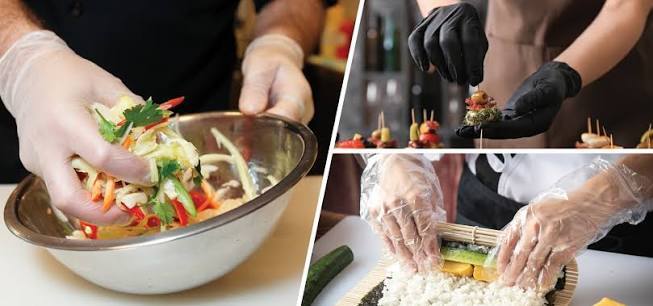
Disposable gloves play an important role in food handling safety by helping workers reduce direct contact between their hands and ready-to-eat foods. Restaurants, catering businesses, bakeries, and food processing facilities often use gloves as part of their hygiene procedures. However, gloves alone cannot guarantee food safety. Workers must combine proper glove use with handwashing, clean equipment, and good food handling habits to minimize contamination risks.
Why Disposable Gloves Matter for Food Safety
Food can become contaminated when workers transfer harmful microorganisms from their hands, equipment, or raw ingredients to other products. Disposable gloves provide a protective barrier when employees handle food, particularly items that will not receive further cooking.
Following https://www.glovesupply.us/ guidance helps food businesses establish appropriate hygiene procedures. Workers should understand that wearing gloves does not replace handwashing. They must wash their hands before putting on gloves and whenever hygiene procedures require it.
Choosing the Right Disposable Gloves
Different glove materials suit different food handling tasks. Nitrile gloves offer flexibility and durability, making them useful for many kitchen and food preparation activities. Vinyl gloves may suit certain short, low-risk tasks, while polyethylene gloves are often used for brief food handling activities where frequent changes are necessary.
The best option depends on the task, workplace requirements, and product specifications. Businesses should select gloves that are suitable for food contact and follow the manufacturer’s instructions. They should also consider allergies, since some workers or food handlers may react to natural rubber latex.
Preventing Cross-Contamination with Disposable Gloves
Cross-contamination occurs when microorganisms or other unwanted substances move from one surface or food item to another. Gloves can become contaminated just as easily as bare hands, especially when workers switch between raw meat, vegetables, cooked foods, and kitchen equipment without changing them.
Employees should change gloves whenever they become torn, dirty, or contaminated. They should also replace them when switching between tasks that involve different food types. Touching phones, door handles, waste bins, or cleaning equipment while wearing food preparation gloves can spread contaminants to food contact surfaces.
Consistent proper food handling practices help workers reduce these risks and maintain cleaner preparation areas.
Proper Glove Use and Replacement
Correct glove use begins with clean, dry hands and gloves that fit comfortably. Gloves that are too loose can interfere with grip, while damaged gloves may fail to provide the intended barrier. Workers should inspect gloves before use and replace any pair that shows signs of damage.
Disposable gloves are generally intended for single use. Washing or reusing them can compromise their protective function and increase contamination risks. Employees should remove used gloves carefully, dispose of them according to workplace procedures, and wash their hands before putting on a fresh pair.
Building Better Food Handling Hygiene
Food businesses need clear procedures that explain when workers should wear gloves and when they must change them. Regular training can help employees recognize contamination risks and understand the limitations of disposable gloves. Supervisors should also ensure that appropriate glove sizes and materials remain available.
Clean work surfaces, safe food storage, temperature control, and careful separation of raw and ready-to-eat ingredients remain essential parts of food hygiene. When workers use disposable gloves correctly alongside these measures, they can support safer food preparation and more consistent handling practices.